

The technology bug has bitten everyone, leaving us all in a constant state of distraction and lack of focus, which is why you need great active listening examples to model for your kids. Active listening basically involves giving full attention to the speaker, understanding their message, and responding thoughtfully.
Technology has significantly hindered active listening skills in many of us, and it’s worse for young kids who are growing up with few good active listening examples to learn from. Kids these days see everyone all around them constantly glued to their smartphone, laptop, or television.
If you meet groups of young kids of late, you’re more likely to see everyone engaged in their gadgets rather than looking at each other or physically engaging. This makes it difficult to focus on conversations and actively listen.
With this kind of environment, it has become of paramount importance for every parent or guardian to make sure they help kids take tech breaks and learn active listening skills.
Other Ways Technology Impacts Active Listening
Multitasking Technology encourages multitasking, which can divide attention and reduce the ability to listen effectively.
Reduced Face-To-Face Interaction With the rise of digital communication, face-to-face interactions have decreased, limiting opportunities to develop active listening skills, which are more effectively honed in person.
Over Reliance on Visual Cues Video calls and virtual meetings often lead to an overreliance on visual cues, which can sometimes overshadow the importance of listening to the actual content being spoken.
Shortened Attention Spans The fast-paced nature of digital content, such as short videos and instant updates, has contributed to shorter attention spans and is less in tune with how to stay engaged in longer, more in-depth conversations.
 Lack of Non-Verbal Feedback Digital communication lacks non-verbal cues such as body language or facial expressions that are crucial for active listening, and this leads to a lack of empathy in conversations and misunderstandings.
Environmental Noise Using technology in noisy environments, such as public places or background noise from other devices, can interfere with the ability to focus on the conversation.
Encouraging active listening in kids who are often on their gadgets can be challenging, but it’s possible with some creative strategies.
Great Active Listening Examples to Model for Kids
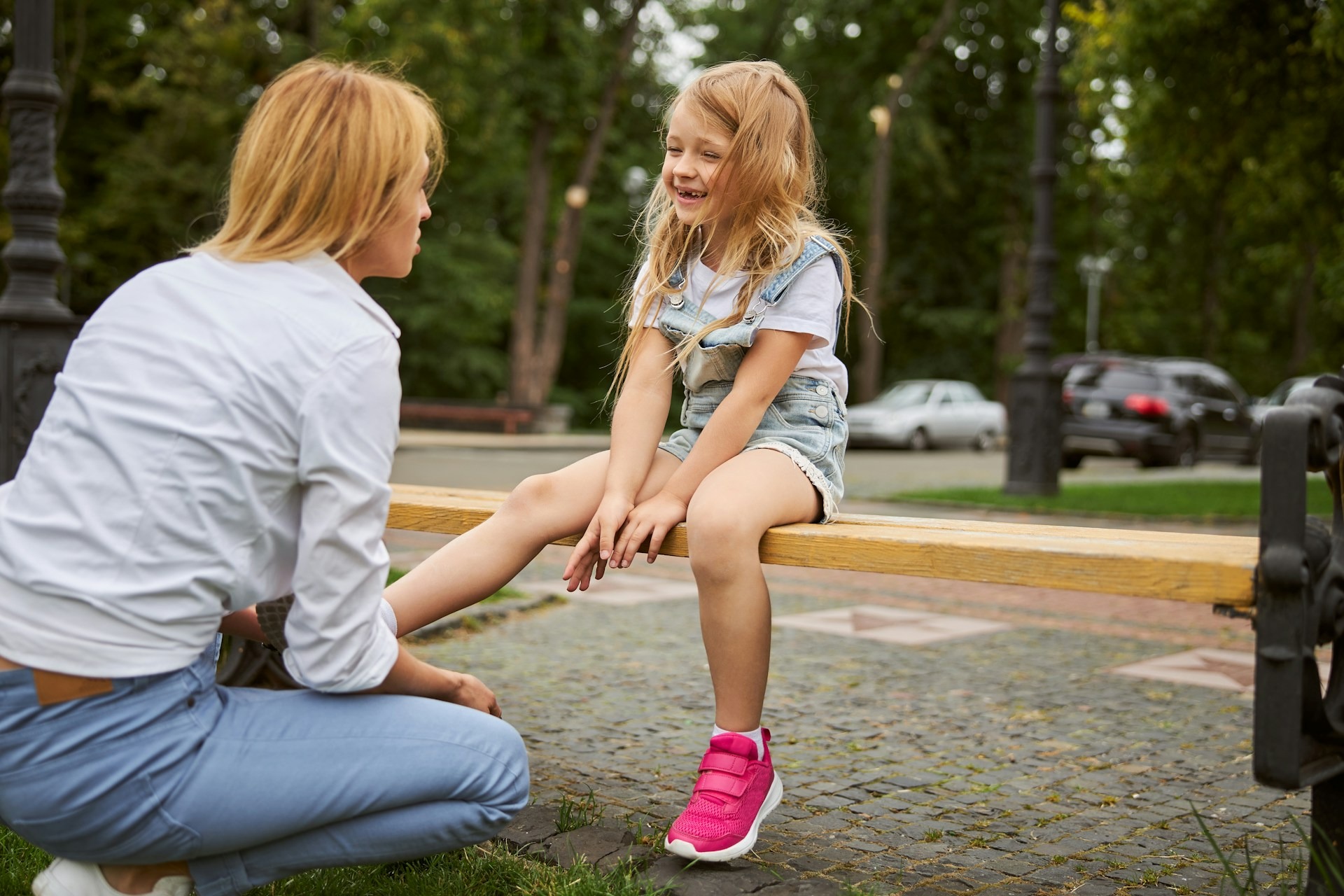
The Monkey-See-Monkey-Do Approach: Kids often mimic adult behavior, so you need to adopt a monkey-see-monkey-do approach by showing them practical active listening examples. Show them how it’s done by maintaining eye contact, nodding, and responding appropriately when they speak.
The Gadget-Free Family Time Approach: Set clear boundaries with specific times for gadget use and times for family interaction. This helps kids understand when it’s time to focus on physical listening and engaging with others. You can instead include board games, outdoor activities, or simply talk about your day.
The Fun Listening Game Approach: Engage in fun listening activities with your kids by incorporating games that require active listening, like:
- Simon Says: A classic listening game that encourages kids to listen carefully to instructions.
- Guess the Sound is a game where you make different sounds and have your child guess what they are.
- Listen and Build: A game where you give timed, verbal instructions to build something with blocks or Legos.
The Bring-Back Story Time Approach: Revive the age-old family activity of reading stories together and have kids retell their stories and ask each other questions about the plot and characters. This encourages kids to listen actively and think about what they hear.
By incorporating these strategies, you can help your child feel involved and valued, promoting better listening habits and developing strong active listening skills even in a gadget-filled world.
If you or your kids are struggling with how to break away from the bad habits you have ingrained in yourselves that are hindering healthy, active listening, you might need to consider counseling.
Counselors can provide one-on-one sessions tailored to a child’s specific needs and help you identify and address any underlying issues that may be affecting their listening skills. Counseling provides a safe and supportive environment where children feel heard and valued. This encourages them to open up and practice active listening without fear of judgment.
A professional can also help identify and address any behavioral issues that may be hindering a child’s ability to listen actively, including managing distractions, reducing anxiety, or improving focus. Technology is great, but don’t let it take over your home and turn you all into strangers. Call us today and get professional help.
Photos:
“Close up portrait of woman”, Courtesy of Getty Images, Unsplash.com, Unsplash+ License